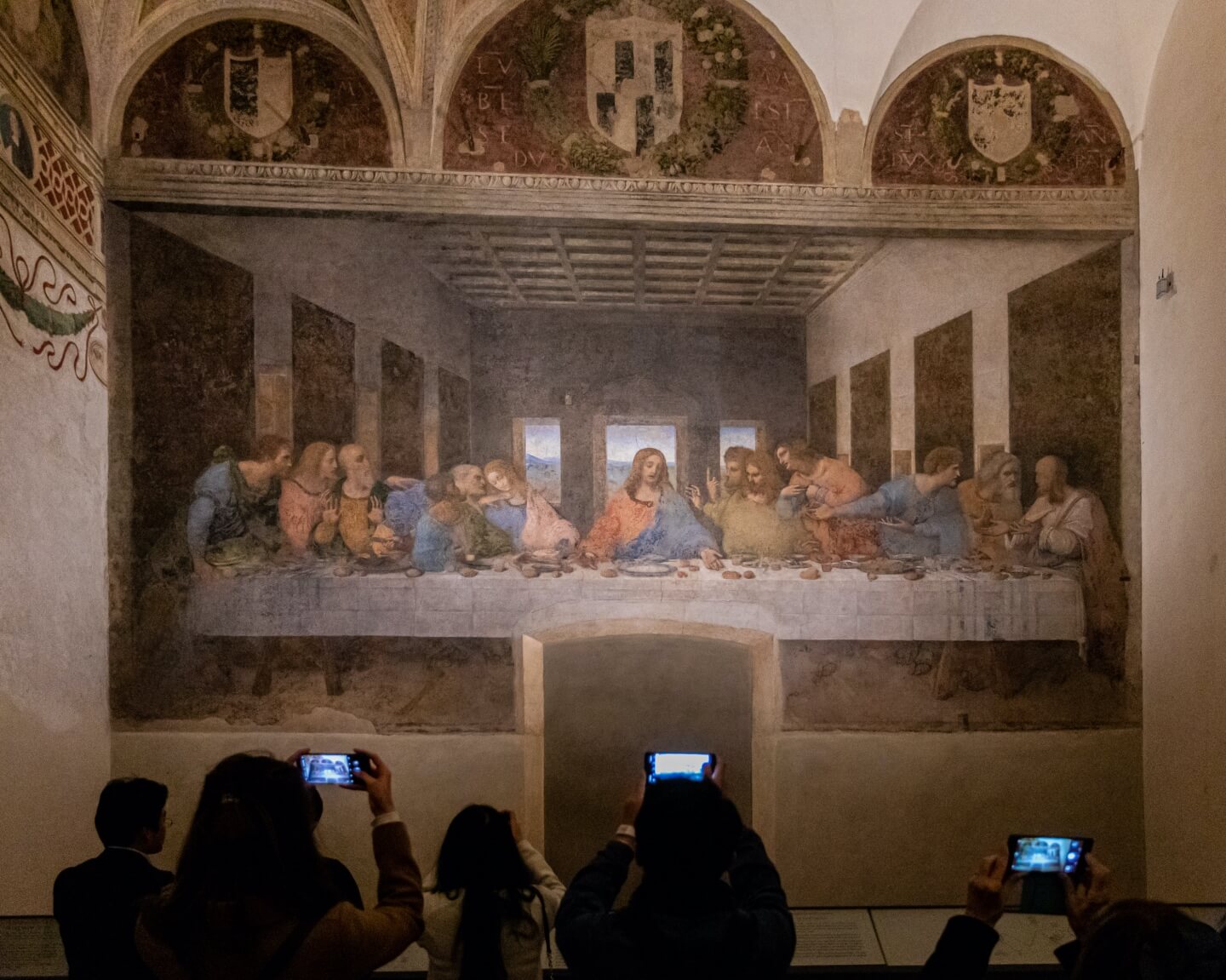
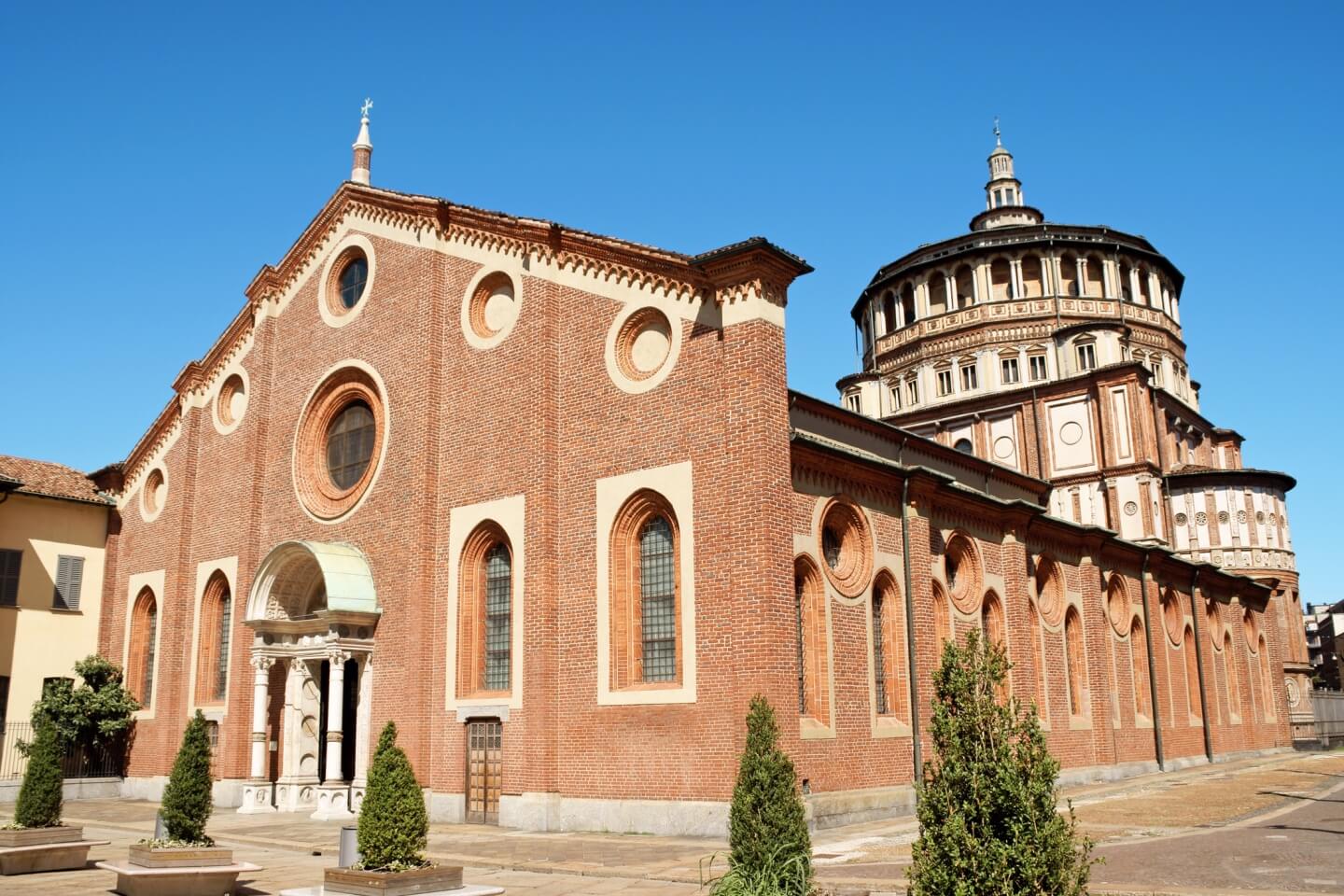
The Last Supper, painted by the legendary artist Leonardo da Vinci between 1495 and 1498, is one of the most iconic works of art in history. Located in the refectory of the Church of Santa Maria delle Grazie in Milan, Italy, this mural captures the dramatic moment when Jesus announces that one of his disciples will betray him. The painting is not only a testament to Leonardo’s genius but also a profound exploration of human emotion and spirituality.
Commissioned by Duke Ludovico Sforza, the Last Supper was created as part of a larger renovation of the convent of Santa Maria delle Grazie. Unlike traditional fresco techniques, which involve painting on wet plaster, Leonardo opted for a method that allowed him to work slowly and make changes. He painted on dry plaster using tempera and oil, a choice that would later contribute to the painting’s deterioration.
The mural measures an impressive 460 cm × 880 cm (15 ft × 29 ft) and is painted on the north wall of the refectory. It depicts the moment described in the Gospels when Jesus reveals that one of his disciples will betray him, leading to a range of emotional reactions from the apostles.
Leonardo’s Last Supper is renowned for its innovative composition and use of perspective. The arrangement of the figures creates a sense of depth, drawing the viewer’s eye toward Jesus, who is positioned at the center of the table. Each apostle is depicted with unique expressions and gestures, showcasing a wide range of emotions from shock to disbelief.
One of the most striking features of the painting is its use of light and shadow, which enhances the three-dimensionality of the figures. Leonardo’s understanding of human anatomy and emotion is evident in the way he captures the “motions of the soul” through the postures and expressions of the apostles.
1. Not a Fresco: Contrary to popular belief, The Last Supper is not a fresco. Leonardo’s technique involved painting on a dry wall, which ultimately led to its rapid deterioration.
2. Historical Damage: The painting has endured significant damage over the centuries. It was used as a stable by Napoleon’s troops and suffered extensive damage during World War II when a bomb destroyed part of the refectory.
3. Symbolism: The painting is rich in symbolism. For instance, the spilled salt near Judas is often interpreted as a bad omen, while the positioning of the apostles reflects their emotional responses to Jesus’ announcement.
4. Restoration Efforts: The Last Supper has undergone numerous restorations, with the most recent one completed in 1999. This restoration aimed to recover the original colors and details while removing layers of grime and previous retouches.
5. Cultural Impact: The Last Supper has influenced countless artists and has been referenced in various forms of media, including literature, film, and music. Its themes of betrayal and sacrifice resonate deeply within the context of Christian theology.
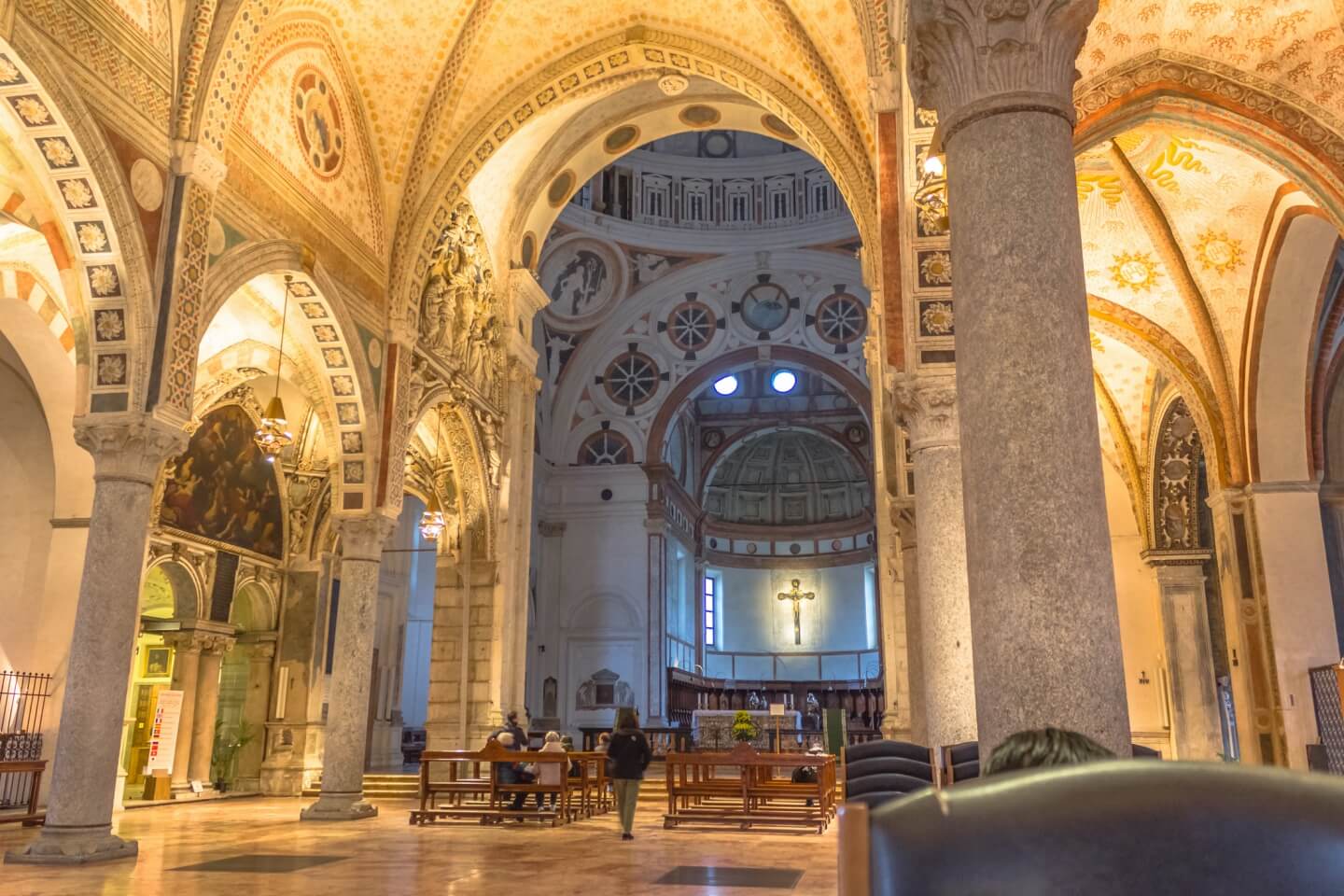
The Church of Santa Maria delle Grazie, a UNESCO World Heritage Site, is a stunning example of Renaissance architecture. Visitors can admire not only The Last Supper but also the beautiful church itself, which features a mix of Gothic and Renaissance styles.
To visit The Last Supper, it is essential to book tickets in advance, as access is limited to small groups to protect the artwork from damage. The experience of standing before this monumental work of art is both humbling and inspiring, offering a unique glimpse into the mind of one of history’s greatest artists.
The Last Supper by Leonardo da Vinci is more than just a painting; it is a profound exploration of human emotion, spirituality, and artistic innovation. Its historical significance and cultural impact continue to resonate with audiences around the world. A visit to the Church of Santa Maria delle Grazie is a journey into the heart of Renaissance art, where the legacy of Leonardo da Vinci lives on.
1. Where is The Last Supper located?
The Last Supper is located in the refectory of the Church of Santa Maria delle Grazie in Milan, Italy.
2. When was The Last Supper painted?
Leonardo da Vinci painted The Last Supper between 1495 and 1498.
3. What technique did Leonardo use for The Last Supper?
Leonardo used a method of painting on dry plaster, which is not the traditional fresco technique.
4. Why is The Last Supper considered important?
The Last Supper is considered important for its innovative composition, emotional depth, and significant influence on art and culture.
5. How can I visit The Last Supper?
Visitors must book tickets in advance, as access is limited to small groups to protect the artwork.
#The Last Supper #Leonardo da Vinci #Santa Maria delle Grazie Milan #Renaissance Art #Art History #UNESCO World Heritage #Cultural Heritage
We recommend to stay in one of our historic accommodation, each one with its own “Story to share”.