‘s-Hertogenbosch, affectionately known as Den Bosch by the locals, boasts a captivating old town that whispers tales of centuries past. This remarkably well-preserved medieval center, situated in the southern Netherlands, is a captivating blend of history, architecture, and vibrant culture. From its strategically significant fortifications to its charming canals and bustling market square, Den Bosch’s old town offers a unique and unforgettable experience for visitors.
The story of ‘s-Hertogenbosch begins in the 12th century, when it was founded as a fortified settlement strategically located at the confluence of the Aa and Dommel rivers. Its strategic position, nestled amidst marshlands, made it a natural defensive location. This early emphasis on defense shaped the city’s development, leading to the construction of extensive fortifications that would define its character for centuries. The name itself, ‘s-Hertogenbosch (meaning “The Duke’s Forest”), reflects its origins as a ducal hunting ground before its development into a city.
By the late 14th century, a much larger wall was erected to accommodate the growing population. Artificial waterways were dug to create a city moat, further enhancing its defenses. This period of expansion also saw ‘s-Hertogenbosch become a significant center of culture and commerce, attracting artists, musicians, and scholars. The city flourished, becoming the second-largest population center in the present-day Netherlands after Amsterdam by 1520. Renowned composers received their training in its churches, and prominent figures like Jacob Clemens non Papa held positions there.
The waterways of ‘s-Hertogenbosch are integral to its character. The Binnendieze, a network of subterranean canals, once spanned an impressive 22 kilometers. Initially a natural river, the Dommel, it became increasingly covered over as the city expanded. Later used as a sewer, it fell into disrepair. However, in recent decades, a significant portion has been restored, offering unique subterranean boat tours that reveal a hidden layer of the city’s history. These tours provide a fascinating perspective on the city’s evolution and its ingenious use of its natural environment.
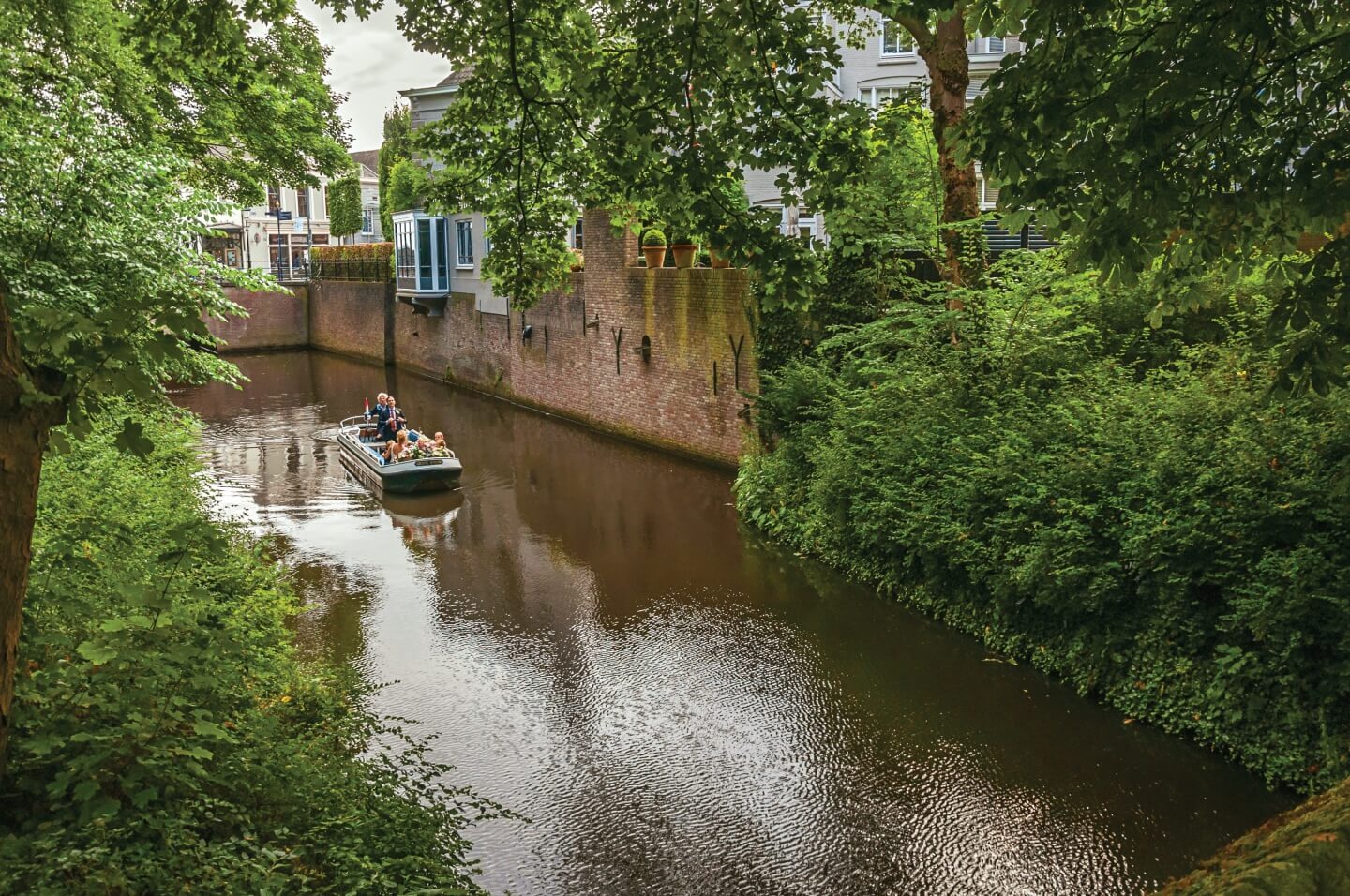
Above ground, the canals and rivers continue to play a vital role in the city’s charm. They meander through the old town, reflecting the colorful buildings and creating a picturesque setting. The canals are not just a visual delight; they also offer a unique way to explore the city, with boat tours providing a different perspective on the historic architecture and the city’s layout.
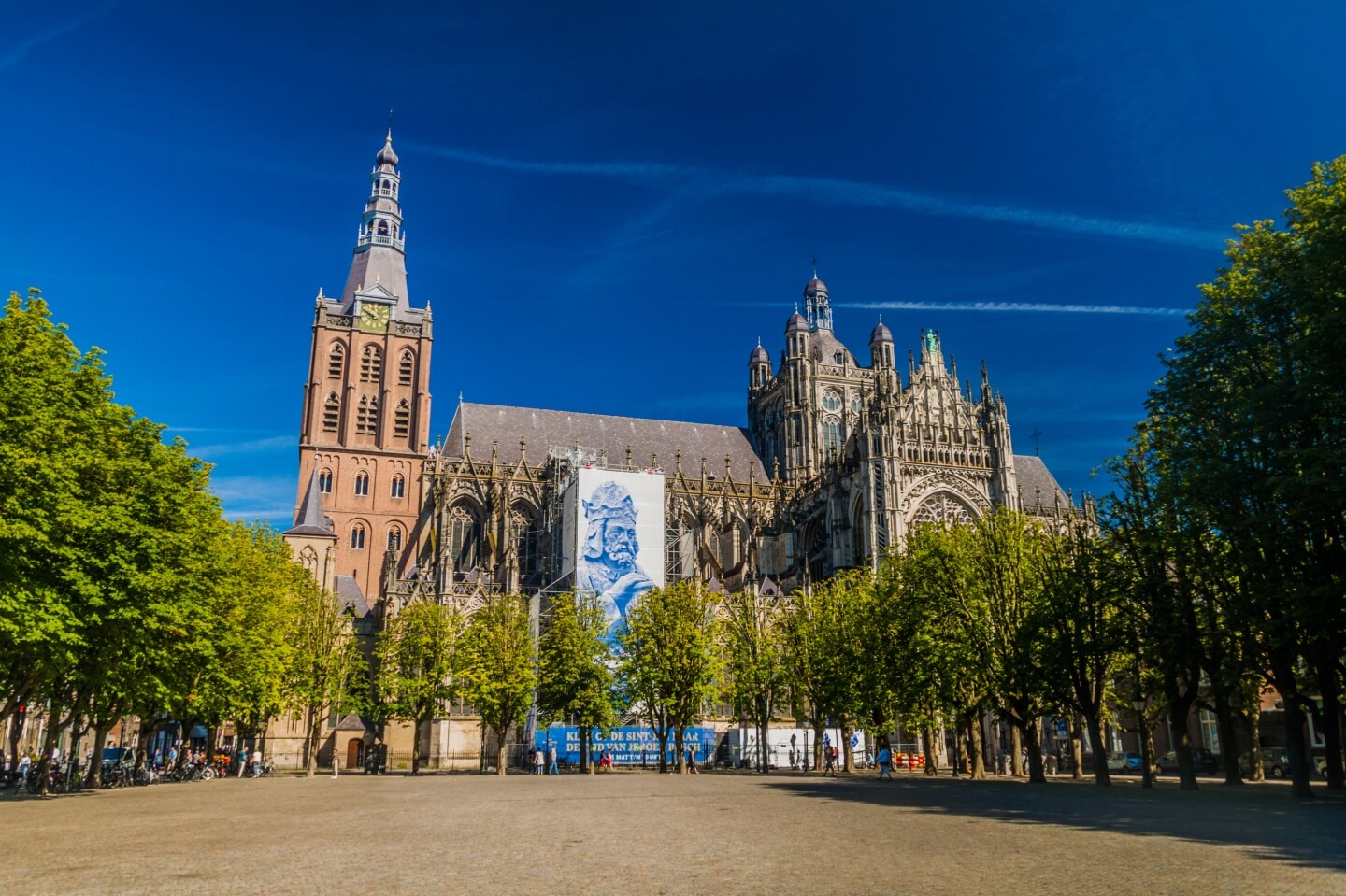
‘s-Hertogenbosch Old Town is a captivating tapestry of architectural styles. The most prominent landmark is undoubtedly St. John’s Cathedral (Sint-Janskathedraal), a magnificent Gothic structure whose construction began in 1380. Its towering spires and intricate details are a testament to the skill of medieval artisans. The cathedral’s exterior, significantly restored in recent decades, showcases the beauty of Gothic architecture. Inside, the stained-glass windows and the overall grandeur of the space are equally impressive.
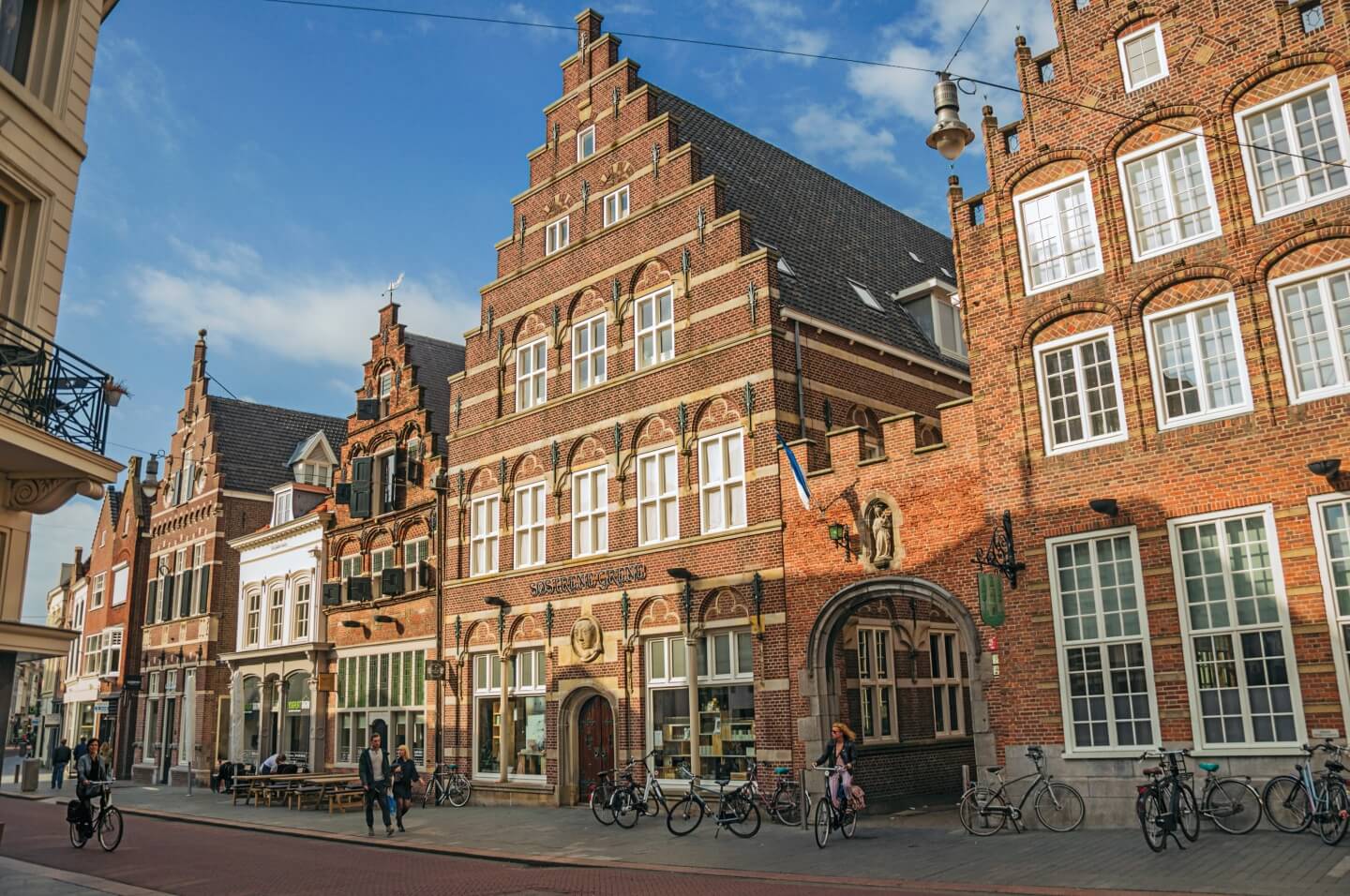
The Town Hall, located on the market square, is another architectural highlight. Its current façade, dating from the 17th century, reflects the Dutch Classicism style. However, its cellars date back to around 1200, hinting at the building’s long and rich history. The market square itself is a vibrant hub of activity, with its traditional buildings and bustling atmosphere. The oldest remaining brick house in the Netherlands, “de Moriaan,” is also located on this square. Restored in the 1960s, it stands as a testament to the city’s commitment to preserving its historical heritage.
‘s-Hertogenbosch’s extensive and remarkably well-preserved city fortifications, dating from the 15th to 17th centuries, are a testament to its strategic importance. The city’s location on a sandy hill surrounded by swamps made it naturally defensible, contributing to the preservation of its ramparts. In 2004, ‘s-Hertogenbosch was even awarded the title of “European Fortress City of the Year,” recognizing its commitment to preserving this important part of its heritage. The fortifications, along with the city’s many historic buildings, churches, and statues, are constantly being renovated to ensure their preservation for future generations.
The city’s commitment to preserving its historical heritage extends beyond its physical structures. The annual Carnival, celebrated under the name “Oeteldonk,” is a vibrant tradition that reflects the city’s unique character and its enduring connection to its past. This lively celebration, with its distinctive costumes and symbolism, is a testament to the city’s rich cultural identity.
FAQ Section
1. What is ‘s-Hertogenbosch known for? Its exceptionally well-preserved medieval old town, extensive fortifications, and the annual Oeteldonk Carnival.
2. What is the Binnendieze? A network of subterranean canals running beneath the old town, offering unique boat tours.
3. What is St. John’s Cathedral? A magnificent Gothic cathedral, one of the city’s most prominent landmarks.
4. How can I get to ‘s-Hertogenbosch Old Town? It’s easily accessible by train and has good connections to other Dutch cities.
5. What makes ‘s-Hertogenbosch Old Town unique? Its remarkably intact medieval architecture, fortifications, and vibrant cultural traditions.
#’s-Hertogenbosch #Den Bosch #Medieval City #Old Town #Fortifications #Binnendieze #Oeteldonk Carnival #Dutch History
We recommend to stay in one of our historic accommodation, each one with its own “Story to share”.