
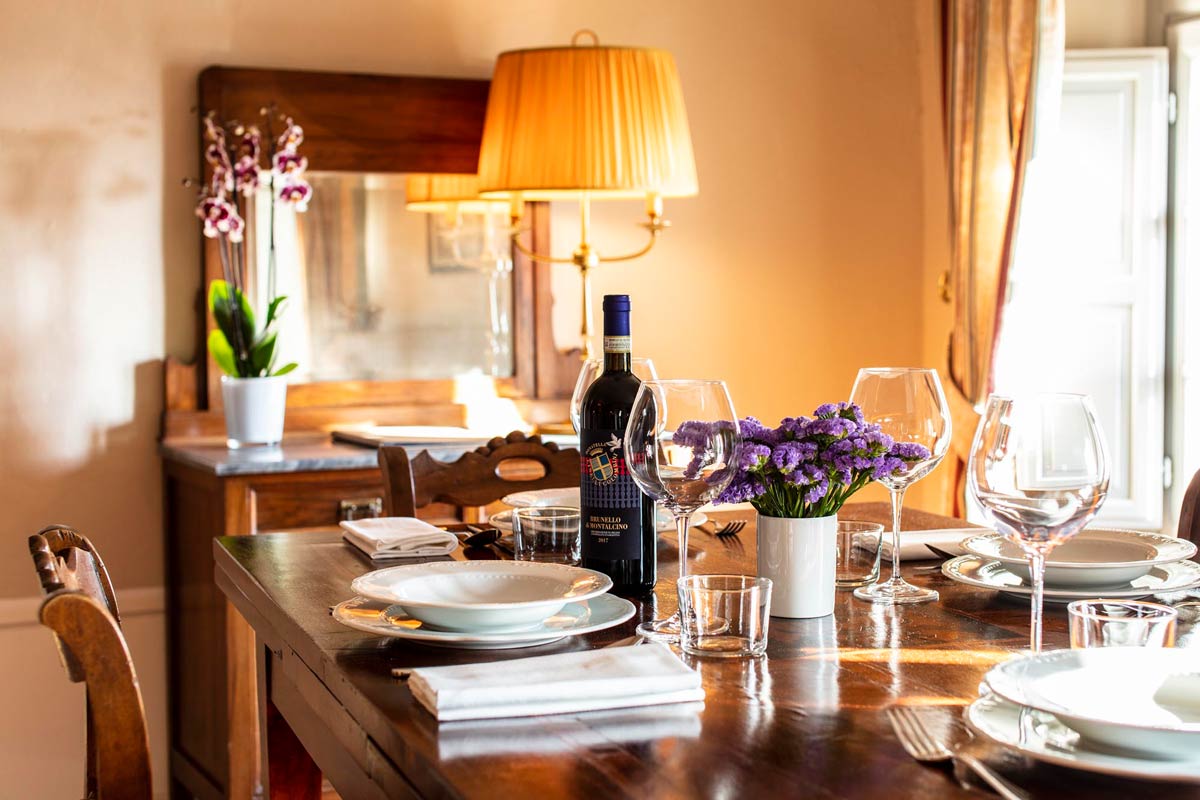
Image: Palazzo Tiglio, Italy
An eggcake worth crossing Sweden for. Fresh lobster from the Bohuslän coast. A Tuscan chef giving family recipes a modern twist. Six historic hotels with something rather interesting on the menu.
There’s something particularly satisfying about discovering a dish in the place where it belongs. Perhaps it’s a recipe passed down through generations, a local speciality with an unexpected history or an ingredient that tells you something about the landscape beyond the kitchen.
From centuries-old coaching inns to country-house kitchens and a restaurant in a former distillery, there’s plenty to discover on Europe’s culinary trail.
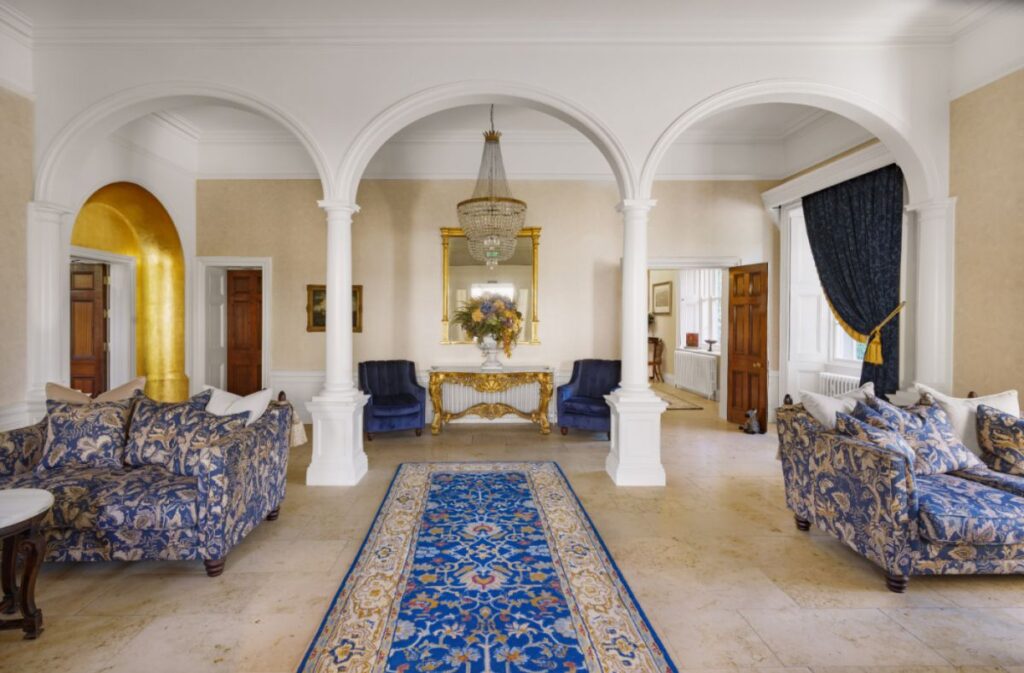
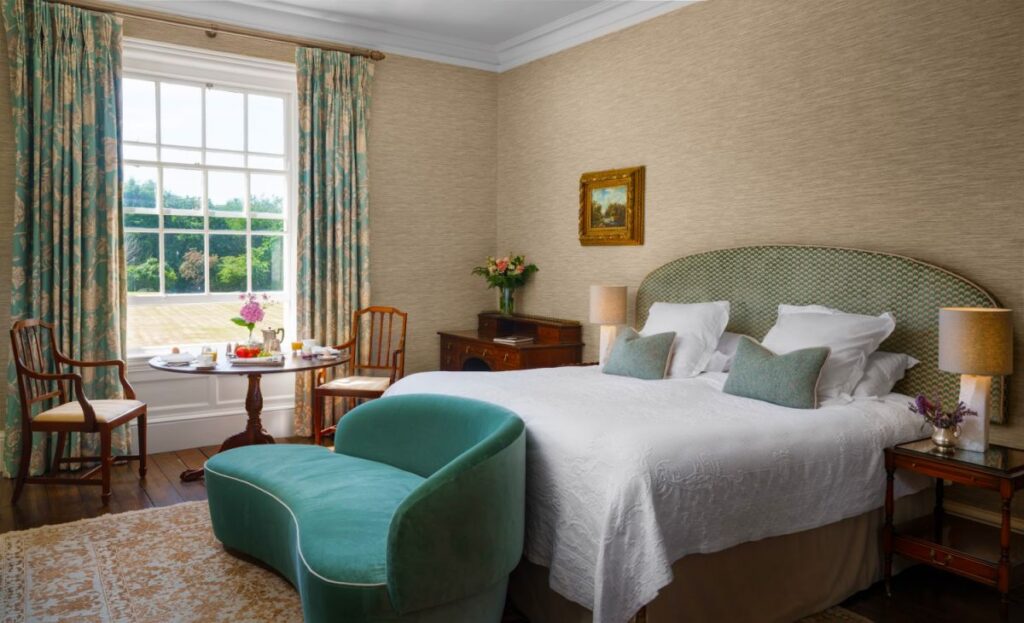
Dunbrody Country House Hotel, Ireland: From the Hook Peninsula to the Kitchen
There’s a good reason seafood features so prominently at Dunbrody Country House Hotel. With Duncannon Harbour and the seafood-rich coastline of County Wexford on its doorstep, chef Kevin Dundon doesn’t have to look far for inspiration.

The Georgian country house, which Dundon runs with his wife, Catherine, has become a destination for contemporary Irish cooking. At its Harvest Room restaurant, the changing seasons shape the menu, from fresh Duncannon crab in summer to slow-cooked venison in winter. The hotel’s kitchen garden contributes heirloom vegetables, fruit and herbs, some of which even find their way into the cocktails.
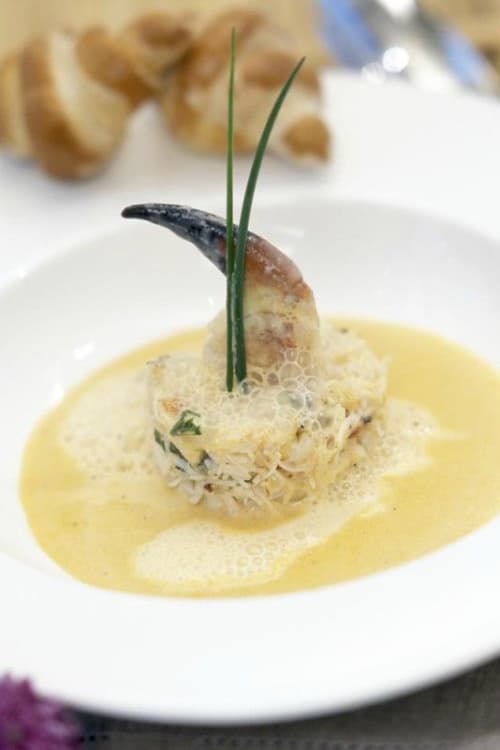
But Dunbrody offers more than an opportunity to enjoy the results. At its dedicated cookery school, guests can get behind the stove themselves. Courses designed by Dundon range from seafood and shellfish to grilling and entertaining, combining demonstrations with hands-on tuition. The emphasis is on making the most of fresh Irish ingredients and learning techniques that can be recreated at home.
It’s an approach that reflects Dundon’s enthusiasm for Irish food. And there’s something appealing about leaving a country-house hotel with a new recipe rather than just memories of an excellent dinner.
Brösarps Gästgifveri & SPA, Sweden: The Eggcake Worth Travelling For
How far would you travel for an eggcake?
In southern Sweden, quite a distance, apparently. At Brösarps Gästgifveri, a historic coaching inn in the countryside of Skåne, guests travel from far and wide for a traditional speciality that has become something of an institution.

Skånsk äggakaka is somewhere between a thick pancake and an omelette, although neither description entirely does it justice. Served with crispy fried pork and hand-stirred lingonberries, it brings together sweet, salty and tangy flavours in a dish that has been part of southern Sweden’s culinary identity for generations.


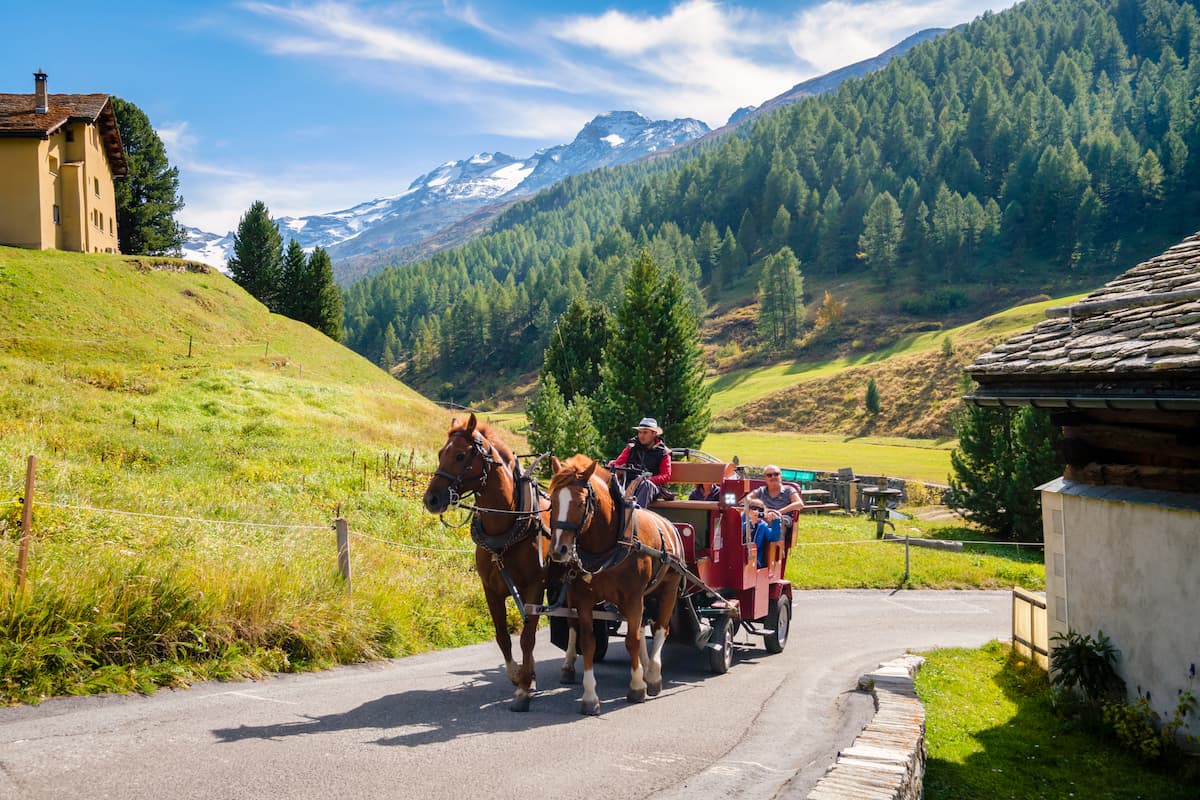
The inn’s history stretches back to 1684, when coaching inns provided food, accommodation and fresh horses for travellers. Today, the Cederberg family continues that tradition, sourcing ingredients from surrounding fields and local farmers.
The eggcake remains the star attraction, best enjoyed with a locally brewed beer. One piece of advice from the family: reserve your table well in advance.
Palazzo Tiglio, Italy: A New Take on Tuscan Tradition
At Palazzo Tiglio in Tuscany, the past is never far from the kitchen. The 17th-century palazzo sits on medieval foundations in the hilltop village of San Pancrazio, with ancient grain stores carved into the rock beneath the building. It’s an appropriate setting for a restaurant where traditional Italian cooking is given a contemporary twist.

Executive chef Mattia Parlanti describes his approach as a “new tradition”, drawing on childhood memories and family recipes while introducing modern techniques and unexpected combinations. Seasonal Tuscan ingredients provide the inspiration, although the menu ventures beyond the region, bringing together flavours from both land and sea.


The restaurant’s two art-filled dining rooms and terrace overlook the Valdambra countryside, while sommelier Danilo Salvi looks after a cellar of around 400 wines from Italy and beyond. For guests keen to try their own hand, private cookery classes with chef Francesca Lari begin with gathering herbs from the kitchen garden. Traditional dishes such as handmade pasta and focaccia follow, before everyone sits down to enjoy lunch with local wine.
Avli Lounge Apartments, Greece: A Taste of Crete’s Layered History
An old olive press is a rather appropriate home for a restaurant devoted to Cretan cooking.

In the heart of Rethymno’s old town, Avli occupies a collection of historic Venetian buildings that have served several purposes over the centuries. Once a nobleman’s residence, the property has also housed a soap factory and tannery. Today, its stone archways and courtyard provide an atmospheric setting for exploring the island’s food.


Olive oil is fundamental to Cretan cuisine, but it’s only part of the picture. Wild greens, aromatic herbs, pulses and local cheeses have shaped the island’s cooking. Avli has previously served courgette flowers filled with soft goat’s cheese and spearmint, a dish that captures the appeal of Cretan cooking: a handful of carefully chosen ingredients, with very little need for embellishment.
As a founding member of the Society for the Preservation of Mediterranean Cuisine, Avli also offers hands-on cookery experiences introducing guests to local ingredients, traditional preparations and artisan producers.
Its extensive wine cellar adds another dimension, with a collection spanning Cretan vineyards, mainland Greece and international producers.
Strandflickorna, Sweden: The West Coast’s Black Gold
On Sweden’s west coast, the arrival of autumn means one thing to seafood lovers: lobster season. Known locally as the region’s black gold, Bohuslän lobster is a prized delicacy and an important part of the area’s fishing heritage.

At Strandflickorna in the seaside town of Lysekil, the season is celebrated with a three-course lobster supper at the hotel’s restaurant, Fröken Fridhem. The hotel’s seasonal suppers have featured freshly caught lobster supplied by local fishing boat LL25 MiTina, accompanied by carefully selected ingredients from the Bohuslän coast.


Beyond the restaurant, Lysekil’s rocky headlands, sheltered harbours and sweeping sea views offer plenty to explore before dinner. Nearby Stångehuvud Nature Reserve is particularly beautiful in autumn, when the coastline settles into a quieter rhythm.
Pałac Mierzęcin, Poland: From Distillery to Dining Room
At Pałac Mierzęcin in western Poland, you can enjoy dinner surrounded by equipment once used to produce spirits. These days, however, you’re more likely to be studying the wine list.

The estate’s Destylarnia Restaurant occupies a restored former distillery, where exposed brickwork and industrial architectural details provide an unusual setting for contemporary Polish cooking.
The restaurant forms part of a neo-Gothic country estate in Poland’s Lubuskie region, surrounded by woodland, parkland and extensive vineyards. Its kitchen draws on regional ingredients and seasonal produce, combining Polish culinary traditions with broader European influences.


Wine plays an equally important role. Pałac Mierzęcin produces its own wines, which accompany the restaurant’s seasonal menus, and visitors can explore the estate’s winemaking through tastings. The wine theme even extends to its Grape Spa, where guests can enjoy wine-inspired treatments.
Poland might not be the first country that springs to mind when planning a European vineyard escape. Yet at Pałac Mierzęcin, the historic estate and its surrounding vineyards offer an opportunity to discover a less familiar side of the country’s food and drink.


 English
 Deutsch
 Italiano
 Français
 Español