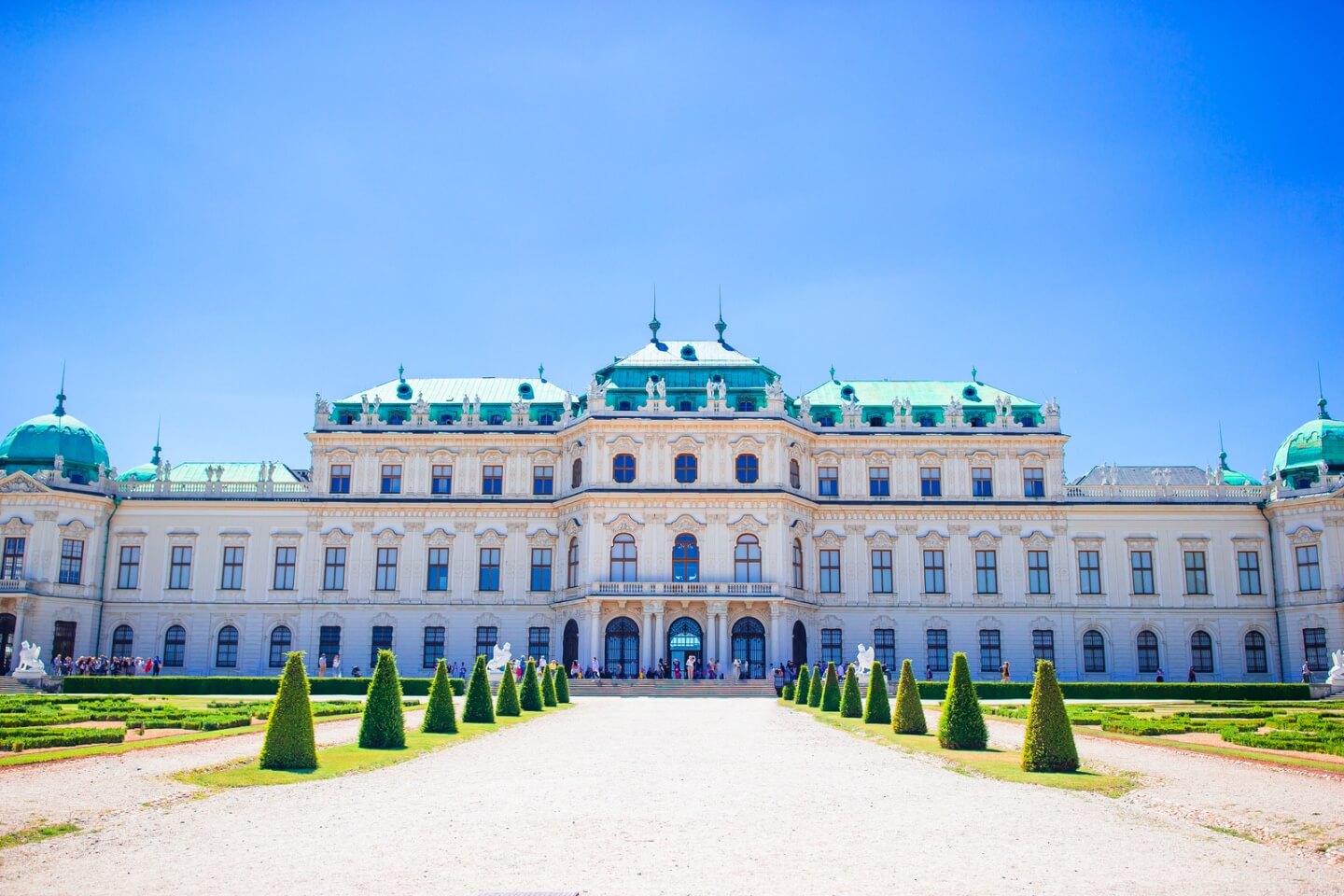
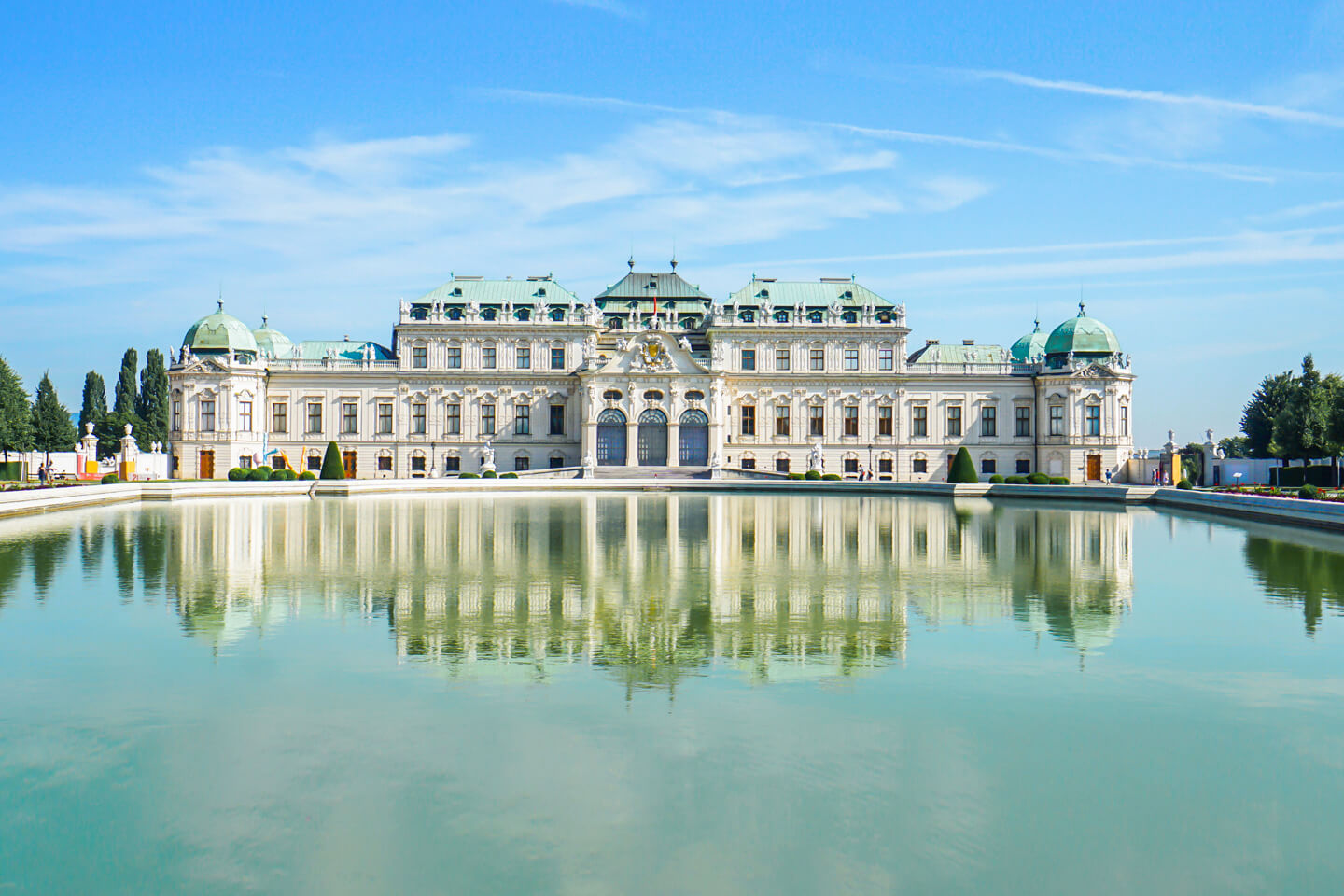
In the heart of Vienna, Austria, stands the magnificent Belvedere Palace, a breathtaking Baroque architectural ensemble that transcends time and captivates all who visit. This UNESCO World Heritage Site, comprising the Upper and Lower Belvedere palaces and their expansive, meticulously designed gardens, is not merely a historical landmark but a vibrant cultural institution that houses one of the world’s leading art collections. A journey through Belvedere is an inspiring exploration of imperial history, artistic genius, and the enduring beauty of Austrian heritage.
The story of Belvedere Palace begins in the late 17th and early 18th centuries, when it was commissioned as a summer residence for Prince Eugene of Savoy, one of Austria’s greatest military commanders and a renowned patron of the arts and sciences. The esteemed Baroque architect Johann Lukas von Hildebrandt was chosen to bring Prince Eugene’s vision to life, drawing inspiration from the grandeur of the Chateau of Versailles while skillfully embedding distinct Austrian architectural element. Construction of the Lower Belvedere began in 1712, followed by the Upper Belvedere in 1717, with the entire complex completed by 1723.
After Prince Eugene’s death in 1736, his niece, Princess Maria Anna Victoria of Savoy, surprisingly refused the palace. It was then that Empress Maria Theresa stepped in, acquiring the entire complex. In a pioneering move, she transformed the Upper Belvedere into an exhibition venue for the imperial collections, opening it to the public in 1781 and establishing it as one of the world’s first public museums.
Throughout its history, Belvedere Palace has housed notable personalities, including Archduke Franz Ferdinand, who resided there in 1896. The palace also endured significant damage during World War II bombings, with parts of the Marble Hall and the Hall of Grotesques suffering greatly. Fortunately, extensive renovations after the war restored its splendor, allowing the Österreichische Galerie to reopen in the Upper Belvedere in 1953.
The Belvedere complex is a harmonious blend of architecture, art, and nature.
The Belvedere Museum is committed to exhibiting, researching, collecting, communicating, and preserving art, ensuring its significance as an outstanding museum for the future. It offers a variety of programs, including guided tours, workshops for families, and inclusive offerings, making art accessible to all.
Interesting Fact: The Belvedere Palace holds a poignant connection to the outbreak of World War I. Archduke Franz Ferdinand, whose assassination in Sarajevo triggered the conflict, resided at the Upper Belvedere from 1896 until he departed for that fateful journey. It’s often said that had he never left the palace, World War I might never have happened .
Belvedere Palace stands as a beacon of Austrian culture and history, a place where the past’s grandeur meets the present’s artistic vibrancy. It continues to inspire awe and wonder, inviting visitors from around the globe to immerse themselves in its timeless beauty and profound narratives.
#BelvederePalace #Vienna #Austria #GustavKlimt #BaroqueArchitecture #UNESCOWorld Heritage #AustrianMuseum #HistoricLandmarks
We recommend to stay in one of our historic accommodation, each one with its own “Story to share”.